Contemporary Fishing Gear Patterns You Should Be Aware Of in 2026
In 2026, the angling landscape is set for disruption with the introduction of advanced tools. Sensor-equipped fishing rods will boast tracking devices for real-time information, while intelligent fish finders ensure enhanced detection capabilities. Eco-conscious materials are solidifying as the standard, integrating innovation with environmental care. As these movements take shape, anglers will encounter traversing a new era of fishing. What implications might these advancements present for both enthusiasts and the natural environment?
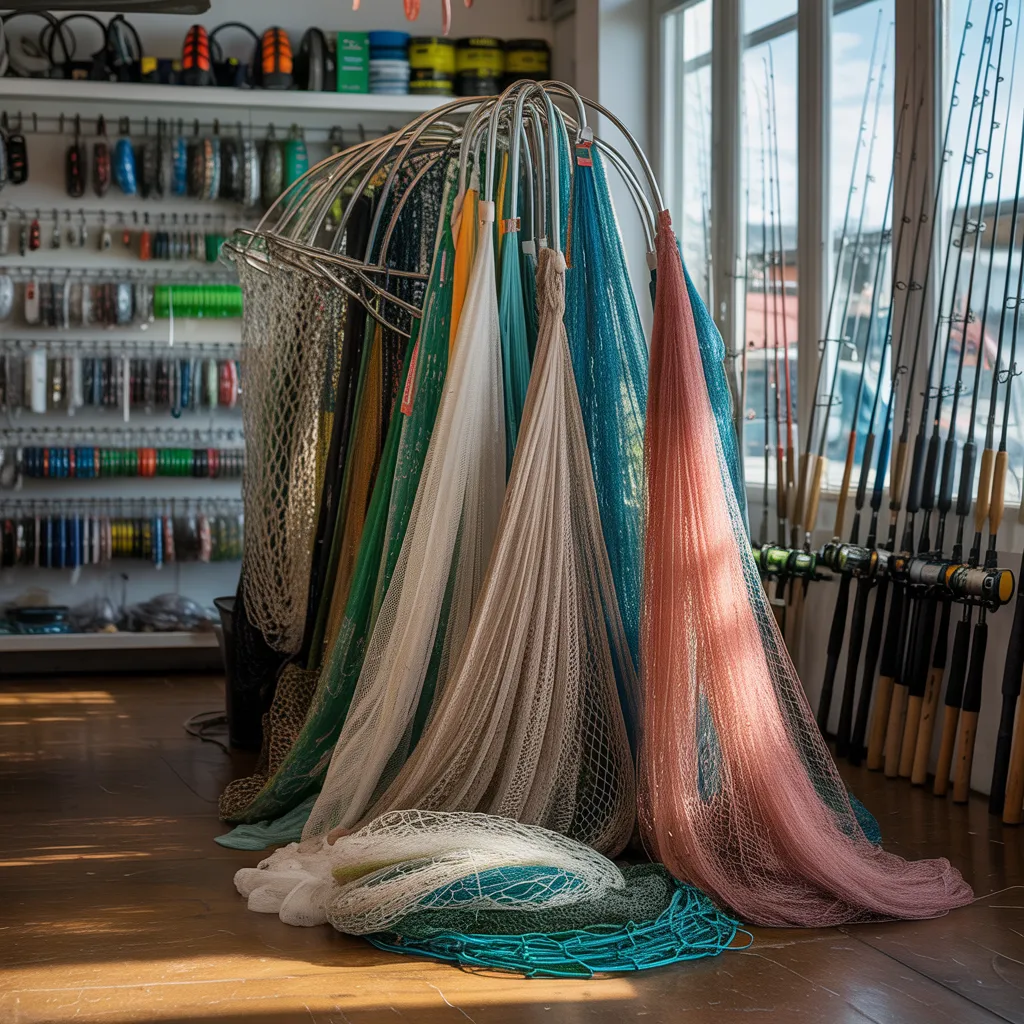
The Rise of Smart Fishing Equipment
As technology evolves, the fishing industry is observing the emergence of smart fishing rods that enhance the angling experience. These revolutionary devices unite sensors and connectivity features, permitting anglers to supervise various data points in instantaneous time. Smart rods can track casting distance, recognize bites, and even furnish feedback on technique, making fishing considerably rewarding and optimized.
Additionally, countless products are equipped with mobile applications that collect information, permitting users to assess their performance and enhance their approaches. This fusion of technological advancement not only appeals to veteran fishermen but also draws first-timers seeking a more immersive encounter. As smart fishing rods rise in popularity, makers are prioritizing boosting durability and accessibility, ensuring they can resist the challenges of field use. Ultimately, these breakthroughs indicate a transformation in how angling is executed, merging traditional skills with modern technology for a more educated angling experience.
What Novel Technologies Do Fish Finders Present?
While conventional fish finders have long been vital tools for anglers, recent advancements are evolving the technology into more sophisticated devices that improve the fishing experience. The latest models now integrate features such as high-definition imaging, which provides clearer underwater views, allowing anglers to identify fish species more effortlessly. Furthermore, many fish finders are adding GPS mapping capabilities, helping users to mark productive fishing spots and navigate with precision.
Wireless connectivity is also becoming standard, allowing real-time data sharing with mobile devices or tablets. This innovation helps anglers obtain updates on water conditions and fish activity, enhancing strategic planning. Additionally, some devices now employ artificial intelligence to examine fishing patterns and suggest ideal times and locations for fishing. Overall, these improvements not only enhance the effectiveness of locating fish but also enrich the overall fishing experience, making it more captivating and data-driven for enthusiasts.
Wearable Tech's Impact on Modern Fishing Methods
Wearable tech is changing the fishing experience by merging smart rod sensors and wearable fish finders. These breakthroughs enable anglers to observe their catch in real-time while also recording their health metrics. As this technology advances, it promises to increase both performance and safety on the water.
Intelligent Rod Sensing Equipment
Smart rod sensors are revolutionizing the angling journey by integrating cutting-edge innovations into conventional equipment. These devices utilize sensors to monitor multiple factors, such as temperature levels, depth, and even the activity patterns of fish. By providing real-time data, anglers can make informed decisions about their fishing strategies, improving their chances of success. Smart rod sensors connect seamlessly with smartphone apps, enabling users to track their catches, analyze patterns, and exchange insights with other anglers. Additionally, some models include notifications for when a fish is biting, ensuring that no opportunity is missed. As fishing evolves, these innovative tools are growing increasingly important for both novice and experienced anglers, reshaping the way they participate in the sport.
Wearable Fish Detection tools for finding fish conveniently
As fishing enthusiasts look to improve their time spent fishing, wearable fish finders are becoming a breakthrough technology. These gadgets, typically attached on the wrist or integrated into clothing, provide up-to-date data on fish locations, water temperature, and depth. By using advanced sonar technology, they offer crucial insights directly to the angler, enabling better decision-making. Wearable fish finders also often sync with smartphones, allowing users to monitor their fishing patterns and share information with other anglers. This technology not only increases the efficiency of fishing trips but also improves the overall enjoyment of the sport. As demand for convenience and effectiveness rises, wearable fish finders are poised to change how anglers approach their time on the water.
Wellness Tracking Devices
Health tracking instruments are changing the fishing experience by enabling anglers to track their physical well-being while enjoying their time on the water. These wearable technologies supply real-time data on heart rate, hydration levels, and activity tracking, allowing fishermen to optimize their health during long trips. Many devices also feature GPS functionality, assisting users in navigating unfamiliar waters while keeping an eye on their physical exertion. As anglers spend hours casting lines, being mindful of their body’s signals can prevent fatigue and boost overall performance. Additionally, some health trackers offer integration with fishing apps, delivering insights into how physical activity correlates with fishing success. This combination of health monitoring and fishing is creating a more comprehensive approach to the outdoor experience.
Eco-Friendly Fishing Gear Materials that are sustainable for anglers looking to reduce their carbon footprint. These components include decomposable options and renewable resources. Quality fishing gear made from eco-conscious materials helps preserve aquatic environments.
While the fishing industry has traditionally relied on synthetic materials, a growing emphasis on environmental stewardship is catalyzing the adoption of eco-friendly fishing gear materials. Manufacturers are actively moving toward biodegradable plastics, repurposed fiber content, and plant-based materials like hemp and bamboo. These materials not merely decrease environmental burden but also boost the durability and reliability of fishing gear.
For instance, eco-friendly nets are designed to break down harmlessly if lost, minimizing marine pollution. Additionally, companies are integrating recycled materials in their tackle boxes and lines, significantly decreasing on waste. Innovations in plant-based coatings for fishing rods and reels are also gaining traction, providing a non-toxic alternative to traditional finishes.
As consumer demand for eco-friendly products increases, the fishing industry is expected to continue evolving, fostering a culture of sustainability that aligns with conservation efforts and promotes healthier aquatic ecosystems.
Key Fishing Tackle Improvements for 2026
As the angling business transforms, innovations in tackle are shaping the fishing future. Smart rod technologies are emerging, offering advanced connectivity and analytical tracking for better quality angling experiences. Additionally, the amalgamation of eco-friendly materials is establishing itself as routine, reflecting a expanding commitment to sustainability in fishing gear.
Smart Rod Technologies provides advanced solutions designed for current sectors. They supply high-quality products that supports organizations achieve their aims.
How can anglers improve their fishing experience in 2026? Intelligent fishing rod systems are paving the way for a more user-friendly and effective approach to fishing. These sophisticated fishing rods are equipped with sensors that provide live information on water conditions, fish activity, and even the best bait to use. By connecting to mobile devices via Bluetooth, anglers can associated article access detailed analytics, including bite detection notifications and climate information. Additionally, some smart rods feature integrated GPS, helping users track successful fishing spots and patterns throughout the season. With these innovations, fishermen are enabled to choose wisely on the water, eventually boosting their likelihood of catching fish. As technology advances, the fishing experience grows increasingly integrated and informative.
Sustainable Materials Utilization
What if the prospective timeline of fishing tackle highlighted sustainability? In 2026, environmentally friendly materials are destined to reshape the fishing tackle market. Producers are more often incorporating biodegradable plastics, recycled metals, and organic fibers, diminishing dependence on harmful materials. New biopolymer technologies provide durable and environmentally safe fishing tackle, promoting less contamination in aquatic environments. Furthermore, standard sustainable sourcing practices are emerging, with companies focusing on ethical manufacturing. This evolution responds to environmental concerns and draws in more eco-conscious fishing enthusiasts. With fishing communities adopting these innovations, the move toward sustainable materials shows dedication to protecting aquatic habitats for the future, enhancing the fishing experience overall.
How Innovations Support Sustainable Fishing
Innovations in angling equipment are transforming eco-friendly methods within the industry. Cutting-edge innovations, such as smart nets fitted with detection devices, allow fishers to monitor bycatch and target specific species, considerably decreasing the ecological footprint. These nets can self-seal when unwanted catches are detected, promoting the conservation of ocean life diversity.
In addition, compostable hooks and lines are gaining acceptance, minimizing the ecological concerns related to conventional options. Equally, the adoption of renewable energy sources, including solar-powered fish finders, cuts down reliance upon fossil fuels, additionally advancing sustainability.
Additionally, comprehensive tracking systems support superior information gathering, bolstering sustainable catch management and habitat protection. By implementing such forward-thinking solutions and innovations, fishers are not only advancing their operational approaches but also furthering the long-term health of aquatic ecosystems. As these advancements keep developing, they suggest a increasingly responsible prospect for the commercial fishing sector.
Picking Your Optimal Fishing Tackle
Determining the appropriate angling equipment can tremendously enhance the overall angling activity. Fishermen should initiate by taking into account their specific fishing environment—whether it's freshwater or salt water, rivers, lakes, or oceans. Each spot requires different equipment. Subsequently, the determination of fishing rod and reel is essential; lightweight rods and smooth reeling features often yield superior mastery and precision.
Line durability and category also constitute, with braided fishing lines providing durability and monofilament supplying flexibility. Bait choice should correspond to the targeted fish species, with choices ranging from live bait to man-made lures.
Additionally, comfort and practicality should not be overlooked. Features including soft-grip handles and modifiable sizes can improve the user experience. Ultimately, committing to quality equipment not only enhances performance but also advances environmental stewardship by reducing waste. By thoroughly analyzing these factors, anglers can personalize their equipment to enhance satisfaction and success on the water.
Regularly Encountered Questions
What Steps Should I Follow to Keep My Smart Fishing Rod?
To keep a smart fishing rod in proper shape, regularly wash it with fresh water, inspect for damage, verify electronics are functioning properly, and place it in a cool, dry location to prolong its lifespan and performance.
Do Software Exist That Work With New Fish Finders?
Yes, multiple programs are effective with latest fish finders, maximizing features through functions like GPS mapping, live data distribution, and social networking. Popular choices include Fishbrain, Navionics, and Humminbird's FishSmart, serving to diverse fishing requirements.
What Price Range Do Wearable Fishing Tech Devices Come In?
Wearable angling equipment typically priced from $50 to $300, determined by capabilities and maker. Top-tier models might deliver advanced tracking, weather updates, and integration capabilities, whereas budget options concentrate on basic functionalities for casual anglers.
How Should I Handle the Recycling of Old Fishing Gear Materials?
Old fishing gear materials can be recycled by converting nets to bags, donating rods to local organizations, or utilizing specialized recycling programs that accept plastic and metal components, advancing sustainability within the fishing community.
Where Can I Test New Angling Equipment Innovations?
You can evaluate new tackle advancements at local fishing expos, specialty tackle shops, or through manufacturer-hosted gatherings. Moreover, fishing communities online and in forums typically offer chances to trial products and see demonstrations.